 As museums across the world prepare to welcome visitors back after closures caused by the COVID-19 pandemic, it certainly won’t be business as usual.
New health and safety measures such as ticketed entry times, no interactive displays and the banning of shared audio guides are among guidelines to help keep staff and visitors safe.
However, there is another layer of security that museums can easily introduce to help protect their important collections of art, antiques and artefacts as visitors return in the coming months.
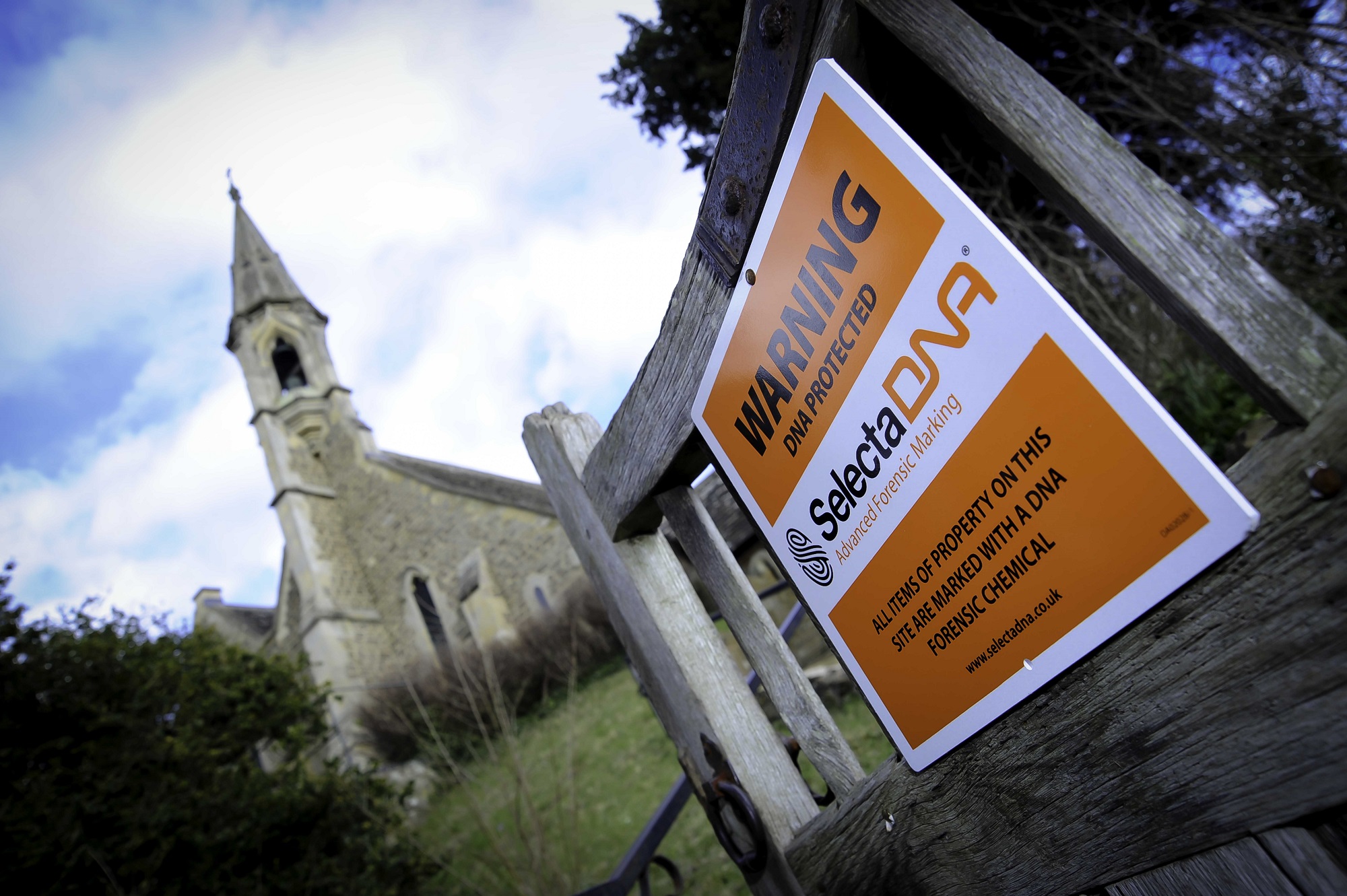
SelectaDNA is a forensic property marking solution which contains a unique DNA code that can be registered to a specific museum or heritage site. It can be easily applied to exhibits as it is almost invisible on application and is compatible with virtually all types of materials and surfaces. In the event that a marked exhibit is stolen and recovered by police, it could be quickly traced back to the museum via the DNA code.
SelectaDNA has been used to mark priceless exhibits at a number of museum and heritage sites following its success in reducing theft in residential property marking schemes both in the UK and internationally.
It has been used to help catalogue items at the Natural History Museum in London and has been applied to the prestigious collection of cars at the world-famous National Motor Museum at Beaulieu and also at the Goodwood Motor Museum.
Historic England have also used SelectaDNA to forensically protect ancient marine wreck sites from theft and damage; while secret bunker sites at Portadown in Northern Ireland and Skelmorlie in Scotland , which were originally used at the height of the Cold War, and are now visitor attractions with on-site museums have marked all their irreplaceable monitoring equipment for posterity.
A Bronze-age village in County Durham has had priceless artefacts DNA-protected; and the Church of England has protected altarware dating back to medieval times with it.
Rare books in the United States, which are considered among the globe’s most prized and valuable literary works, have also been forensically marked to help a leading antiquarian rare book gallery with authentication and inventory management.
Back to 2020 News Stories


